
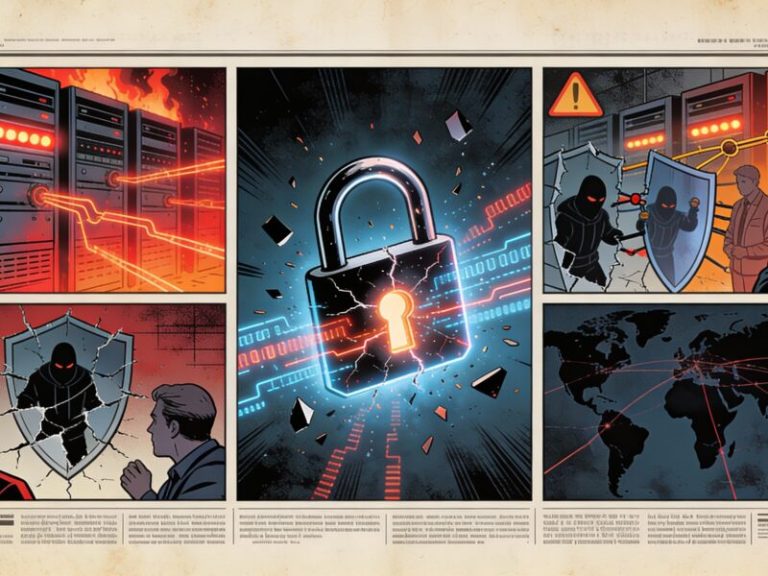
A single employee, contractor, or partner with valid access can cause damage that bypasses many traditional security controls. That is what makes an intentional insider threat so difficult for organizations to manage. The risk does not begin with malware or an external breach. It begins with trust, access, and a deliberate decision to misuse both.
When insider risk becomes a business problem
Insider incidents are often discussed as security events, but the real impact reaches much further. A malicious insider can steal confidential data, disrupt operations, expose intellectual property, or help external attackers move faster. In many cases, the financial damage is only part of the story. Reputational harm, legal exposure, and loss of customer confidence can last much longer than the incident itself.
Unlike accidental mistakes, intentional insider activity involves motive. That motive may be financial gain, revenge, coercion, or a plan to take sensitive information to a competitor. Because the user already has some level of legitimate access, suspicious behavior can appear ordinary at first. Security teams may see valid logins, approved devices, and normal business applications, even while harmful activity is underway.
Common warning signs organizations should not ignore
There is no single pattern that defines every insider case, but certain signals deserve closer review. Unusual access to sensitive files, repeated downloads outside normal job scope, privilege escalation, and activity at odd times can all point to a growing problem. Behavior changes also matter. For example, employees facing disciplinary action or preparing to leave the business may present elevated risk if access is not reviewed carefully.
- Access to data unrelated to the employee’s role
- Large transfers of files to personal storage or unauthorized platforms
- Repeated attempts to bypass policy controls
- Use of dormant accounts or shared credentials
- Unexpected privilege requests without clear business need
Reducing exposure without creating a culture of distrust
Most organizations cannot eliminate insider risk entirely, but they can reduce the chance that one person causes severe damage. The starting point is access governance. Users should only have access to the systems and data required for their role, and those privileges should be reviewed regularly. When employees change roles or leave the organization, access removal must happen quickly and consistently.
Monitoring is equally important, but it should focus on context rather than raw activity alone. A login is not automatically risky. A finance employee downloading engineering documents shortly before resignation is a different story. This is where technologies such as Data Loss Prevention, user behavior analytics, privileged access management, and identity controls become valuable. Used together, they help security teams spot unusual behavior earlier and respond before data loss or sabotage escalates.
Security strategy should involve HR, legal, and operations
The intentional insider threat is not only an IT issue. Human resources, legal teams, compliance leaders, and business managers all play a role in reducing risk. Clear policies, formal offboarding procedures, separation of duties, and documented investigations help organizations act consistently when concerns arise. Just as important, employees need to understand what acceptable use looks like and what consequences follow deliberate misuse.
Choosing the right approach for insider threat readiness
Many organizations already own some of the tools needed to address insider risk, but those tools are often disconnected. The challenge is building a strategy that links identity, access, visibility, and incident response around business priorities. That usually starts with identifying critical data, mapping who can access it, and defining what suspicious behavior looks like in each environment. From there, organizations can evaluate technologies and processes that fit their size, industry, and operational needs.
FAQ
Is every insider incident malicious?
No. Many insider incidents are accidental, such as sending sensitive information to the wrong recipient. An intentional insider threat is different because the actor knowingly misuses authorized access to cause harm or gain personally.
Which businesses face the highest insider risk?
Any organization with valuable data, distributed teams, or privileged users can face this risk. Sectors such as finance, healthcare, government, manufacturing, and technology often receive extra attention because of the sensitivity of their information and operations.
Where Terrabyte fits
Organizations reviewing insider risk strategies often need help connecting policy, process, and technology into one practical plan. As a cybersecurity distributor and trusted technology partner, Terrabyte helps businesses evaluate solutions that improve visibility, strengthen access control, and protect sensitive data without adding unnecessary complexity. That gives decision makers a clearer path to addressing insider risk in a way that supports both security and business resilience.