
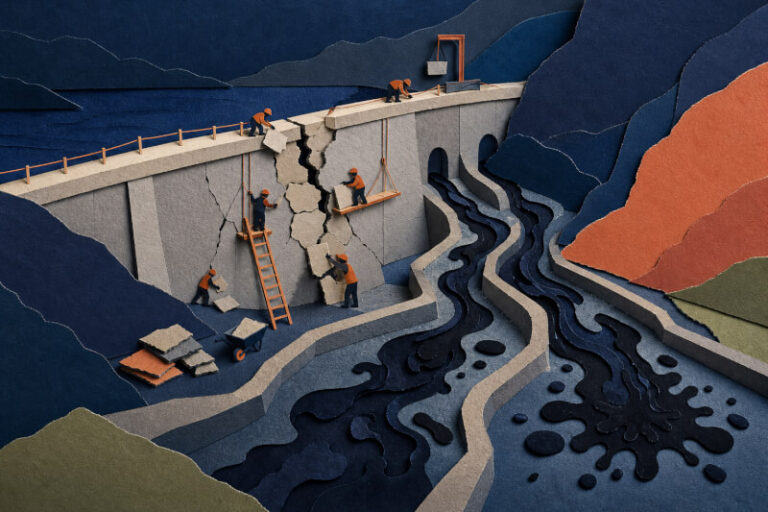
A single infected file can do more than slow down a laptop. It can interrupt payments, halt customer service, delay production, and force security teams into crisis mode. That is what makes a Malware attack a business problem first and a technical problem second. For many organizations, the real damage begins after the initial compromise, when downtime, confusion, and recovery costs start to grow.
Malware now targets operations, not just devices
Malware has changed from a nuisance into a tool used to disrupt business activity. Attackers use it to steal credentials, move across systems, lock critical files, or quietly collect sensitive information over time. In many cases, the goal is not simply access. The goal is pressure. If finance systems, logistics platforms, or shared files become unavailable, the organization may face immediate operational and financial consequences.
This is one reason malware remains effective across industries. It often enters through ordinary channels such as email attachments, compromised websites, stolen passwords, or unpatched software. Once inside, a weak control in one area can become a wider business issue. Security teams may detect the infection quickly, but if response processes are unclear, containment still takes too long.
The hidden cost of a malware incident
The direct cost of incident recovery is only part of the problem. A malware event can also create regulatory exposure, customer trust issues, and pressure on internal teams that must restore systems while normal work continues. Senior leaders often focus on ransom demands or forensic costs, but the broader impact usually includes lost productivity, delayed decisions, and reputational strain.
Organizations that recover well tend to prepare for more than prevention alone. They think about business continuity, backup integrity, user awareness, and incident coordination before an attack occurs. That preparation helps reduce the time between detection and action. It also helps leadership make better decisions under pressure.
Where many organizations remain exposed
Most malware incidents do not happen because a company lacks security tools entirely. They happen because controls are fragmented, outdated, or poorly aligned with business risk. An organization may have endpoint protection in place, for example, but still struggle with patching discipline, privileged access control, or visibility across cloud and on-premise environments. Attackers take advantage of those gaps.
- Unpatched systems leave known entry points open.
- Excessive user privileges give malware more room to spread.
- Limited monitoring delays detection of unusual behavior.
- Weak backups make recovery slower and more expensive.
These issues are not only technical weaknesses. They are signs that security strategy and operational planning are not fully connected. As a result, even a small incident can grow into a larger disruption.
Building a stronger response to malware risk
Reducing malware risk starts with understanding which systems matter most to the business. From there, organizations can prioritize layered controls that improve both prevention and recovery. Endpoint security, email protection, vulnerability management, identity controls, network segmentation, and tested backup plans all play a role. The value comes from how well those pieces work together, not from any single product on its own.
Response readiness matters just as much. Security teams need clear escalation paths, defined responsibilities, and regular exercises that reflect realistic business scenarios. A response plan should answer practical questions: which systems are isolated first, who approves shutdown decisions, how customers are informed, and how operations continue during restoration. Those answers reduce delay when every hour matters.
FAQ
What is the first business risk in a malware incident?
In many cases, the first risk is operational disruption. Critical systems may become unavailable before the full technical scope is understood.
Is antivirus enough to stop modern malware?
Traditional antivirus still has value, but it is rarely enough on its own. Modern defense depends on layered controls, visibility, and a tested response process.
What should decision makers review first?
Recovery priorities, backup readiness, and the systems that have the greatest operational impact should be reviewed first.
Choosing the right support model
Many businesses know they need stronger protection but struggle to decide which technologies fit their environment, risk profile, and budget. That decision becomes harder when multiple security categories overlap and internal teams are already managing daily operational demands. In those situations, outside guidance can help organizations compare options based on business needs rather than marketing claims.
Organizations evaluating solutions for malware prevention, detection, and response can work with Terrabyte to identify technologies that align with operational priorities and long-term security strategy. As a cybersecurity distributor and trusted technology partner, Terrabyte helps enterprises assess the right mix of security solutions from leading vendors without losing sight of the business outcome that matters most: resilience.