
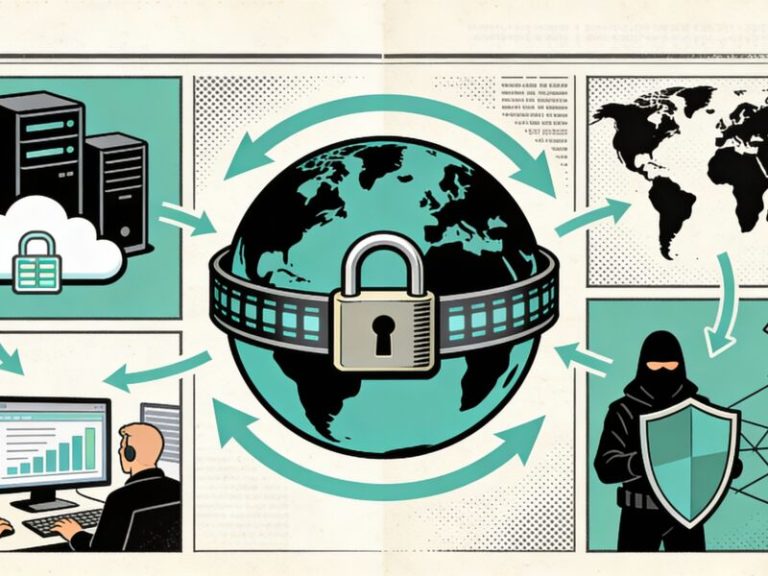
A single file shared through the wrong channel can create legal, financial, and operational consequences long before anyone notices. As organizations spread data across cloud applications, endpoints, email, and collaboration tools, visibility becomes harder to maintain. That is where Data Leak Prevention becomes a business priority rather than a technical add-on. It helps security teams understand where sensitive information moves, how it is used, and when that movement creates unnecessary risk.
Data exposure is now an operational issue
Many businesses no longer store critical information in one controlled environment. Customer records, financial documents, intellectual property, and internal reports now move between employees, devices, software platforms, and external partners every day. This creates convenience, but it also creates blind spots. When data handling is inconsistent, organizations face a higher chance of accidental sharing, policy violations, and costly investigations.
The challenge is not always malicious behavior. In many cases, exposure starts with routine actions such as sending the wrong attachment, copying files to an unmanaged device, or uploading sensitive content into an unsanctioned cloud service. These mistakes are common because modern work moves fast. Without clear controls, even well-intentioned employees can create serious security incidents.
What Data Leak Prevention is designed to solve
Data Leak Prevention helps organizations monitor and control sensitive information based on content, context, and policy. Rather than focusing only on blocking activity, it gives security teams a way to identify risky behavior before data leaves approved environments. That includes data shared through email, cloud storage, endpoints, web activity, and collaboration platforms. The goal is to reduce exposure without slowing business to a standstill.
An effective approach usually starts with understanding what data matters most. For one organization, that may be personal data protected by regulation. For another, it may be contracts, product designs, or merger documents. Once those priorities are clear, policies can be aligned to business risk instead of being applied broadly in a way that creates friction for everyone.
Where organizations often struggle
One common mistake is treating Data Leak Prevention as a compliance checkbox. Compliance matters, but a policy that exists only for audit purposes rarely reflects how data actually moves across the business. Another issue is overblocking. If controls are too rigid, employees look for workarounds, which can create even more risk. Strong programs balance protection with practical day-to-day use.
- Classify sensitive data based on business value and regulatory exposure.
- Set policies for the most common risk channels first, such as email, endpoints, and cloud apps.
- Review alerts to separate harmful behavior from normal business activity.
- Adjust controls over time as work patterns and regulations change.
Business outcomes matter more than feature lists
When implemented well, Data Leak Prevention can reduce incident response time, improve internal accountability, and support stronger governance around information handling. It can also help leadership teams make better decisions about cloud adoption, remote work, and third-party collaboration because the organization has clearer visibility into data movement. This turns data protection into a business control, not just an IT function.
FAQ
Is Data Leak Prevention only for large enterprises?
No. Mid-sized businesses also manage regulated and valuable data, and they often face the same exposure risks with fewer internal resources.
Does it only stop insiders?
Not exactly. It is often used to reduce accidental leaks, but it can also help detect intentional misuse and risky data transfers.
Choosing the right next step
Organizations evaluating Data Leak Prevention should look beyond individual product claims and focus on fit. The right solution depends on how data is created, shared, and stored across the business, as well as the level of visibility and control security teams need. Terrabyte helps organizations assess these requirements, compare relevant cybersecurity technologies, and choose solutions that align with operational goals, compliance demands, and long-term security strategy.